
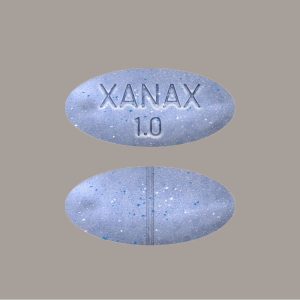
Buy Xanax Online

Buy Xanax Online

Buy Xanax Online

Buy Xanax Online
Understanding Anxiety Medications: A Comprehensive Guide
Explore how different treatments work to manage panic, reduce generalized anxiety, and restore neurological balance.
1. What are Anxiety Disorders?
Anxiety disorders are a group of mental health conditions characterized by excessive, persistent, and uncontrollable worry or fear that interferes with daily life. This category includes Generalized Anxiety Disorder (GAD), Panic Disorder, Social Anxiety Disorder (SAD), and specific phobias.
Biologically, anxiety is often linked to an overactive sympathetic nervous system and imbalances in essential brain chemicals (neurotransmitters) such as serotonin, norepinephrine, and GABA. To help restore calm and cognitive control, a variety of highly effective medications have been developed. You can explore our catalog and securely buy anxiety medications online to find a therapeutic solution that aligns with your medical needs.
2. How Anxiety Medications Work
Anxiety medications generally fall into two broad functional categories: those that provide immediate, short-term relief from acute panic, and those that build up over time to manage chronic, daily anxiety.
Fast-Acting (GABA Enhancers)
Medications like benzodiazepines work by enhancing the effects of GABA, a naturally occurring inhibitory neurotransmitter in the brain. This produces an immediate, profound calming effect on the central nervous system, slowing down racing thoughts and physical panic symptoms.
Daily Maintenance (Reuptake Inhibitors)
Medications such as SSRIs and SNRIs block the reabsorption of serotonin (and sometimes norepinephrine) into neurons. By increasing the presence of these "feel-good" chemicals over several weeks, they effectively rewire the brain's baseline stress response.
3. Common Classes of Anxiety Medication
Because anxiety presents differently in every individual, physicians utilize several distinct classes of medication to tailor the treatment to the patient's specific symptoms.
- Benzodiazepines: This class includes well-known brands like Xanax, Valium, Klonopin, and Ativan. They are highly effective for rapid relief of acute panic attacks or severe situational anxiety, but are typically intended for short-term use.
- SSRIs & SNRIs: Originally developed as antidepressants (e.g., Lexapro, Zoloft, Effexor), these are now the frontline, long-term treatment for generalized anxiety. They are non-habit forming and designed for daily use.
- Azapirones: Medications like Buspirone treat chronic anxiety by interacting with serotonin receptors but without the sedative effects or dependency risks associated with benzodiazepines.
- Beta-Blockers: Often used "off-label" (e.g., Propranolol), these medications block adrenaline from binding to receptors in the heart, effectively stopping the physical symptoms of performance anxiety, such as a racing heart or trembling hands.
4. Primary Therapeutic Benefits
When integrated with behavioral therapies like CBT (Cognitive Behavioral Therapy), anti-anxiety medications offer profound benefits:
- Restoration of Calm: Rapidly de-escalating the intense physical and emotional distress of panic attacks.
- Improved Sleep Quality: Calming racing thoughts at night to allow for restful, restorative sleep.
- Functional Stability: Reducing the chronic, background "hum" of worry so individuals can focus on work, school, and relationships.
5. Potential Risks and Side Effects
Because these medications alter brain chemistry and nervous system activity, they must be used carefully and monitored by a healthcare professional.
Common Side Effects: Drowsiness, dizziness, cognitive fog, dry mouth, mild nausea, and changes in appetite or weight.
Critical Safety Precautions
Dependency Risk: Benzodiazepines carry a high risk of physical and psychological dependence if used for extended periods. Fatal Interactions: Never mix fast-acting anxiety medications (benzodiazepines) with alcohol or opioid painkillers, as this can cause fatal respiratory depression. Withdrawal: Never stop taking daily maintenance medications abruptly; they require a slow, doctor-supervised tapering schedule to prevent severe withdrawal symptoms.
6. Safe Usage Guidelines
To maximize the effectiveness of your treatment while minimizing adverse reactions, adhere to these best practices:
- Follow the Prescribed Schedule: Daily medications (like SSRIs) take 4 to 6 weeks to build up in your system. Take them consistently, even if you feel fine.
- As-Needed Use Only: Fast-acting rescue medications (benzodiazepines) should only be taken exactly as directed during severe panic episodes.
- Monitor Cognitive Impairment: Do not drive or operate heavy machinery after taking sedative anxiety medications until you know exactly how they affect your alertness and coordination.
7. Conclusion
Anxiety disorders are highly treatable. With the correct pharmacological support and clinical guidance, individuals can overcome the neurological barriers of fear and worry, allowing them to lead peaceful, focused, and fulfilling lives.
If you are under professional medical supervision and require a trusted source for your treatment plan, you can browse our catalog and buy anxiety medications online through Global Trust Rx for secure and discreet fulfillment.